

Horse eating hay too fast? Here is what it does to its digestion
Reading time: approx. 5 minutes | Category: Horse welfare & nutrition
Especially now, as many horses are making the transition from paddock to pasture, slow and consistent forage intake matters more than ever. Because even during grazing season, one thing stays true: the horse's stomach is not designed for long gaps without roughage.
Why horses are built to eat slowly
In the wild, horses move for an average of 16 to 20 hours a day, grazing continuously on small amounts of grass. The digestive system is shaped around this pattern: the stomach produces acid constantly - even when no food is present. In a horse that grazes all day, that acid is neutralised almost immediately by the feed and the saliva produced during chewing.
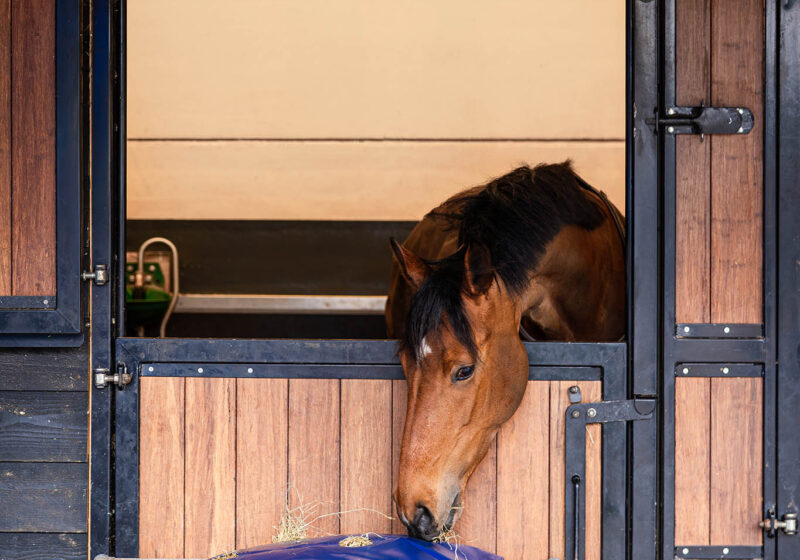
Modern stable management looks different. Horses receive hay in portions - and for a horse that eats quickly, this means: a short window of eating, then waiting until the next feeding time. During that gap, there is little or no roughage available, but the stomach remains active.
Why the pasture transition makes this harder
The seasonal move from paddock or stable to pasture is one of the most demanding periods for a horse's digestive system. The feed changes drastically: from dry hay to fresh, sugar-rich grass. During this transition, the horse's body needs stability - a feeding rhythm that is as consistent as possible, with minimal disruption.
A horse that is already used to eating quickly and going long stretches without roughage starts this transition at a disadvantage. The digestive system is less active and the gut flora less resilient. This is exactly the moment when a steady roughage routine pays off.
What’s the problem- and how to recognise it
Many horse owners know the feeling: you give your horse its hay, and within minutes it is gone. What follows is often several hours with no roughage at all. That is exactly what puts pressure on the sensitive digestive tract. Research into Equine Gastric Ulcer Syndrome (EGUS) has identified long periods without roughage as a known risk factor for gastric problems in horses (Luthersson et al., 2009; Galinelli et al., 2021).
Eating too fast is more than an annoying habit - it has real consequences for the body:
- Too little saliva - when a horse eats quickly, it chews less, which means less saliva is produced. Saliva buffers stomach acid and supports digestion.
- Gastric irritation and ulcers - an empty stomach with high acid levels is a risk factor, particularly in horses that consistently eat too fast.
- Disrupted gut function - processing large quantities at once puts more strain on the gut flora and increases the risk of colic.
- Boredom and stress - a horse that finishes eating in twenty minutes has nothing to do afterwards. This can lead to stereotypic behaviours such as weaving, crib-biting or repetitive pacing.
- Hay wastage - when a horse eats quickly, it pulls hay out, treads on it, and the hay becomes dirty or wet. On average, 20% of hay ends up on the ground this way.
These are signs you can recognise as a horse owner:
- Hay is gone within 30 to 45 minutes, even though it was meant to last several hours
- A lot of hay on the ground around the feeding area
- Restless behaviour once the hay is finished
- Recurring digestive issues or stomach complaints
Slowfeeding: the principle and how it works
Slowfeeding is a feeding method that aligns with the horse's biological needs. By limiting the speed at which a horse can take in hay, it creates a feeding rhythm that comes naturally to them: slow, continuous and with plenty of chewing. The result is more saliva production, better acid buffering, longer occupation and less wastage.
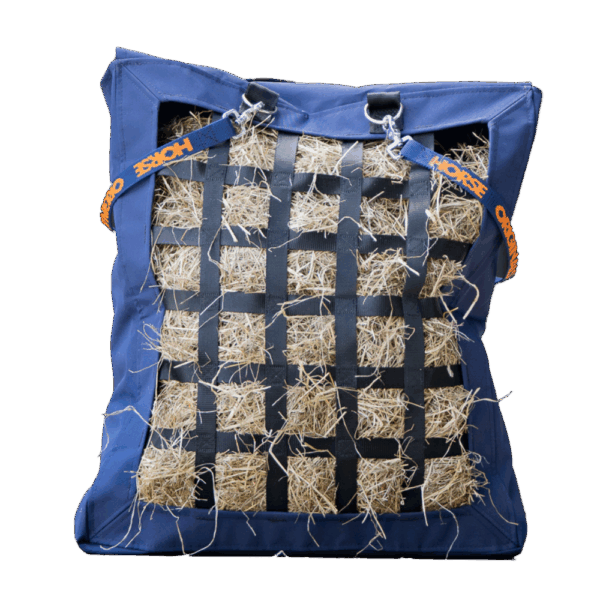
A traditional hay net is a step in the right direction - but has a fundamental drawback: hay falls out from all sides. Particularly with horses that pull and shake actively, a large portion of the hay still ends up on the ground - dirty, wet and no longer usable.
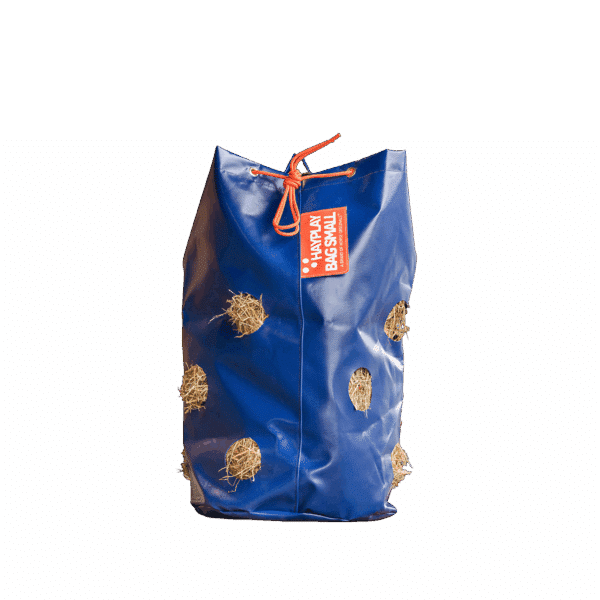
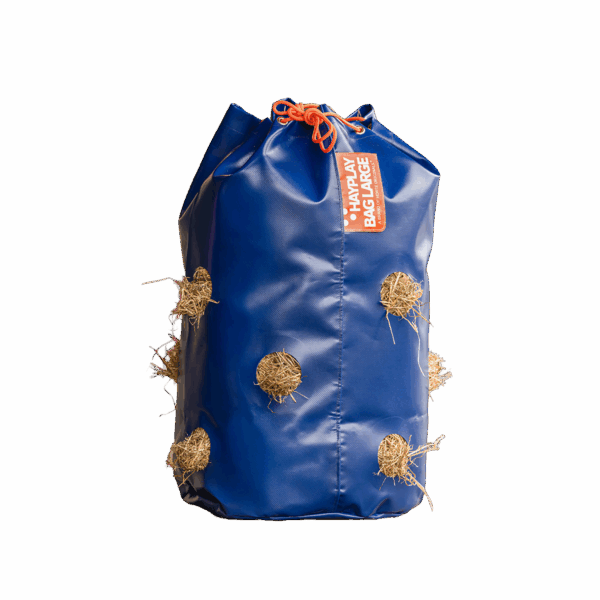
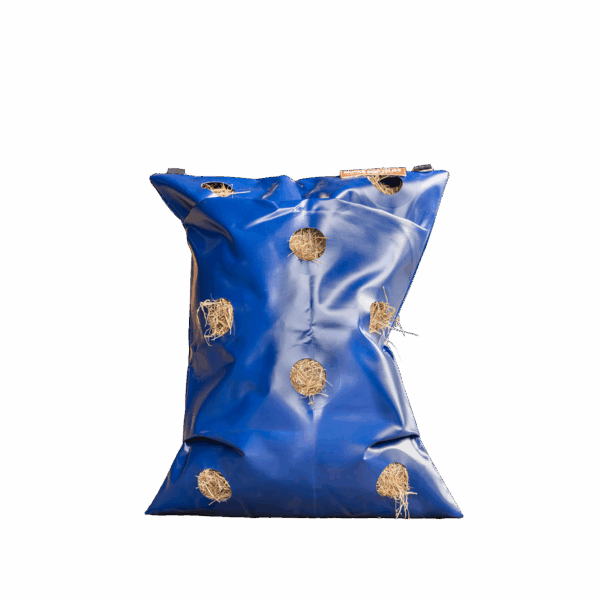
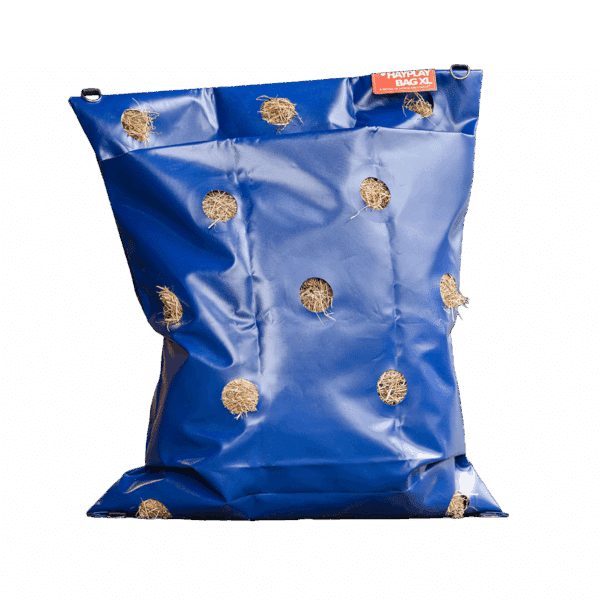
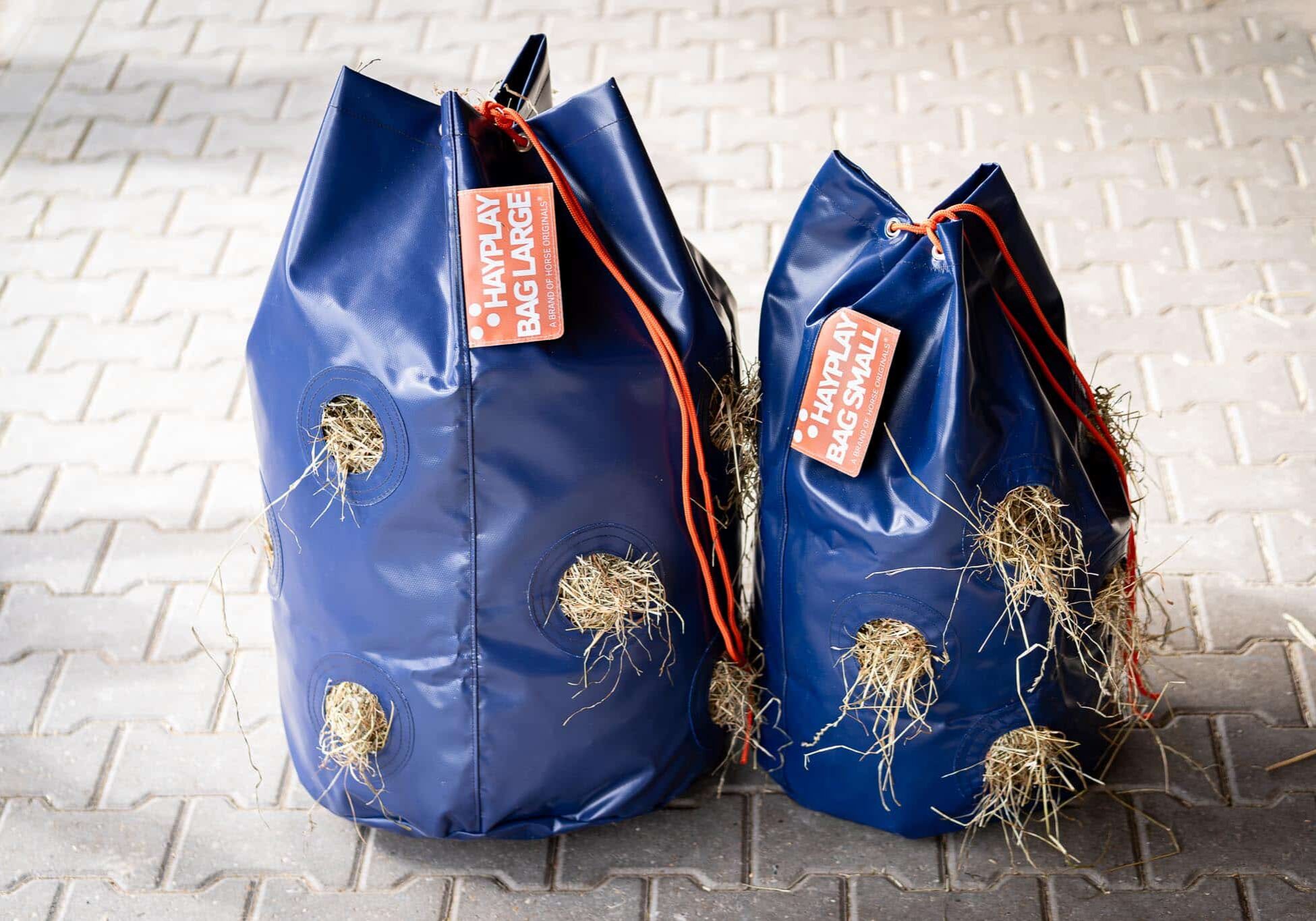
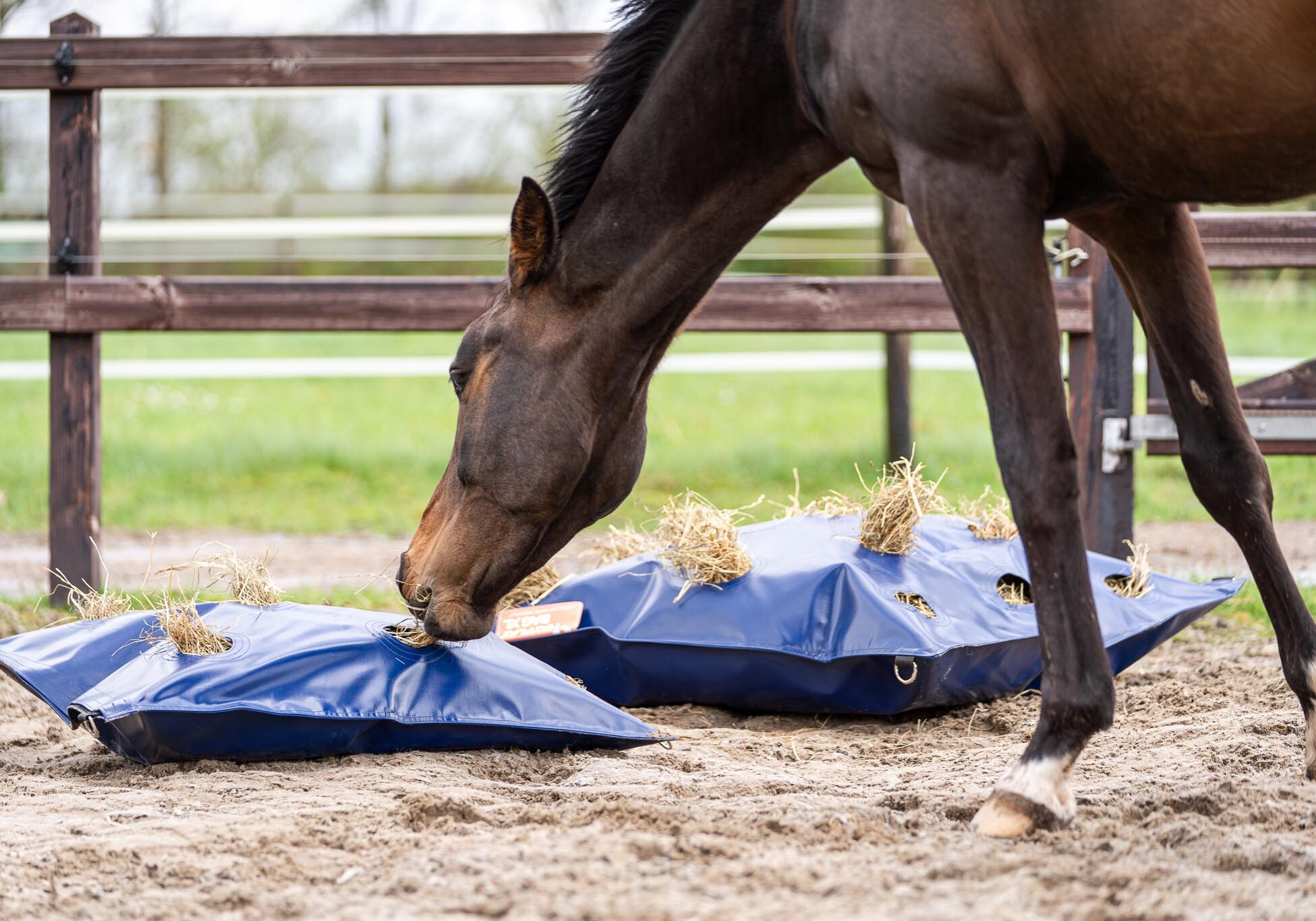
A closed slowfeeder works differently. The hay stays inside the bag and cannot be shaken or pulled out. The horse takes hay through the openings - actively, using lips and teeth - exactly the way it grazes naturally. The hay stays clean, less goes to waste, and your horse takes longer to work through it. That steadiness is what the gut needs. Horses that eat this way stay occupied longer, chew more and reach their daily roughage intake more steadily. A HayPlay Bag can be attached flexibly - to the paddock fence, stable wall or inside the trailer - exactly where your horse needs it.
Frequently asked questions
Author
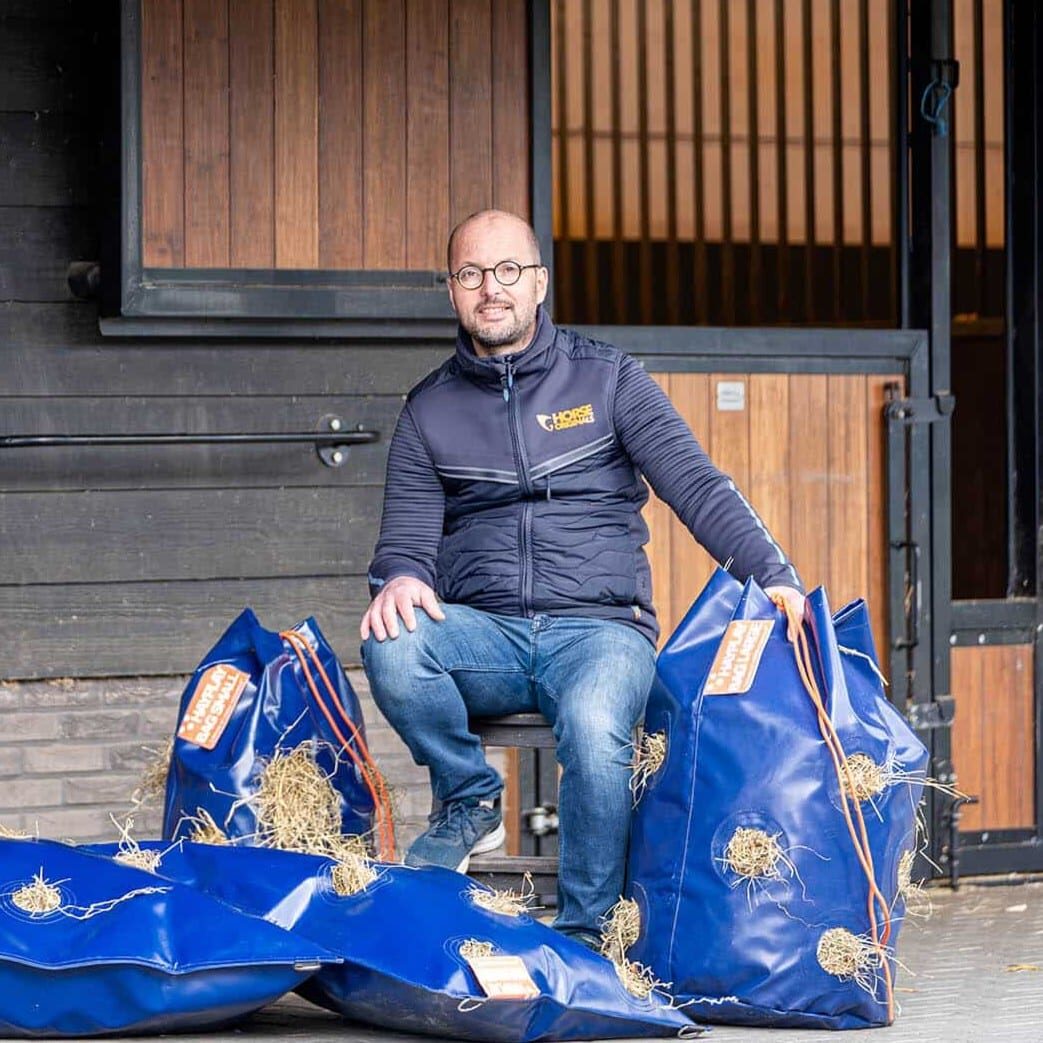
Mark Derwig
Founder of Horse Originals, driven by one mission: improving equine welfare through smart, functional solutions. Created the HayPlay Bag out of love for horses and hands-on experience.
Share this article
Producthighlight
Related Articles
What Quality of Roughage Does Your Horse Need?
Roughage for every horse
Forage analysis for horses
Shop our slowfeeders
Tailored feeding starts with the right forage choice.
Choose peace of mind, health and convenience.
Find out how the HayPlay Bag makes your stall smarter.
Forage Intake Optimization
Horse Originals Tip
Our slow feeders are designed to optimize the intake of all types of forage from low- to high-energy.